Ethical Alternatives & Resources
Tools, services and organisations that do less harm than the default choice, in 43 categories. We’re re-checking every entry against our checklist, one category at a time.
Books
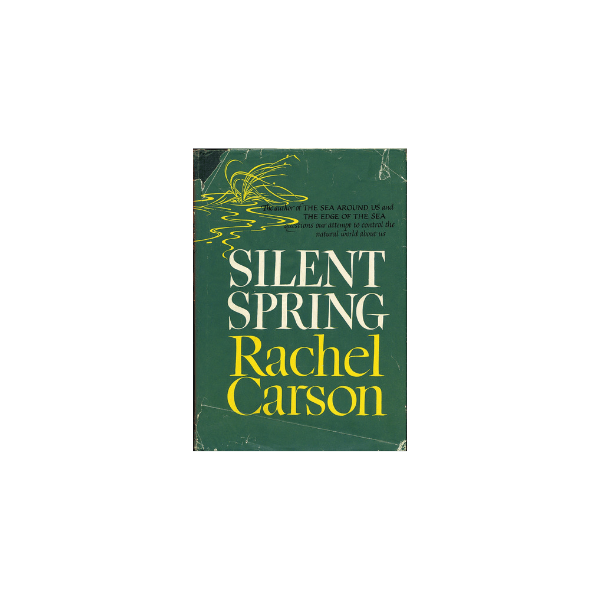
Books on ethics, climate, economics, mindful living and humane technology, from Rachel Carson’s Silent Spring (1962) to Cory Doctorow’s Enshittification (2025). For our shelf of ethical books, we look for ideas that still hold up, and link each one to its publisher or author where we can.
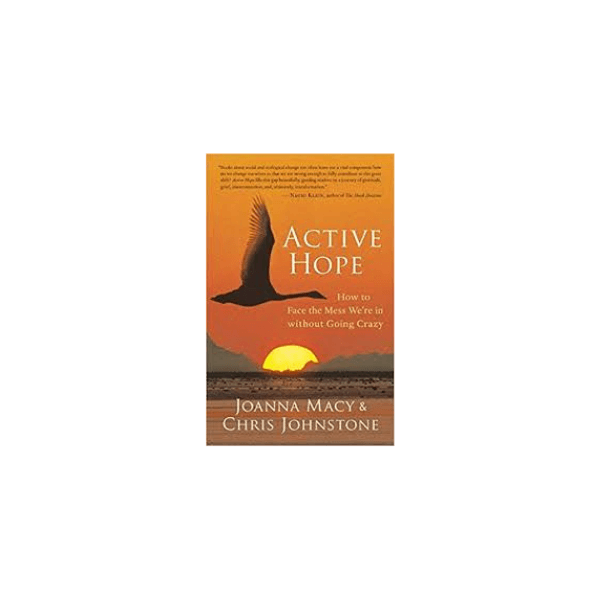
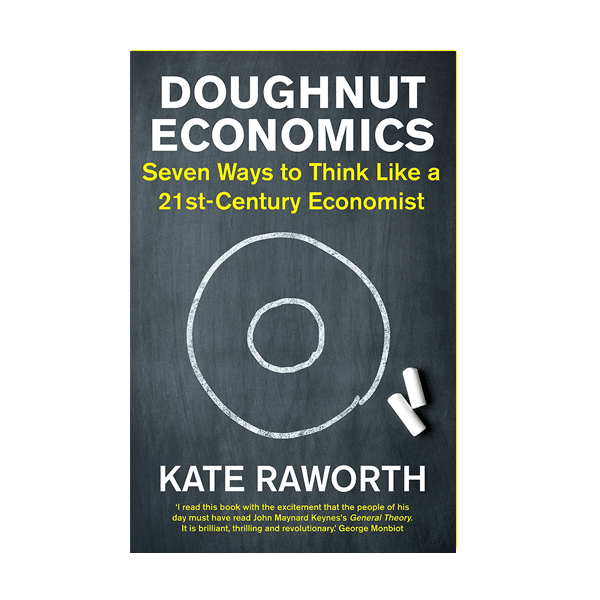
Two to start with: Doughnut Economics, Kate Raworth’s 2017 model for an economy that meets everyone’s needs within the planet’s limits (the first chapter is free to read). And Active Hope by Joanna Macy and Chris Johnstone, a practice for facing the climate crisis with resilience, revised in 2022, with a free online course from the authors.
How we choose: we pick books in the spirit of the 6 principles in our manifesto, from interbeing to what we leave behind, and check that every link still works. Last checked on 13 October 2026.
-
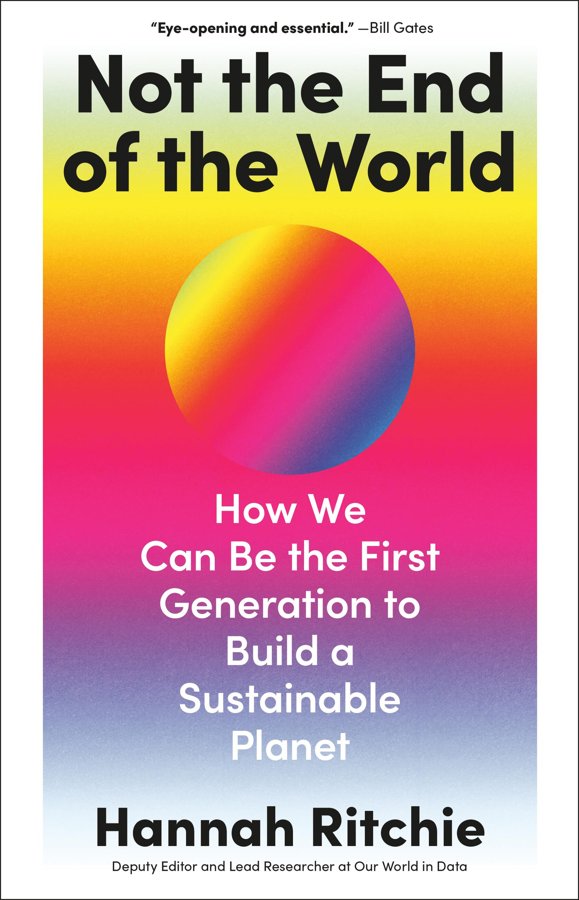
Not the End of the World
Hannah Ritchie's data-led 2024 case that a sustainable world is still within reach
-
Less Is More: How Degrowth Will Save the World
Jason Hickel's 2020 case for degrowth: rich countries using less so everyone lives well
-
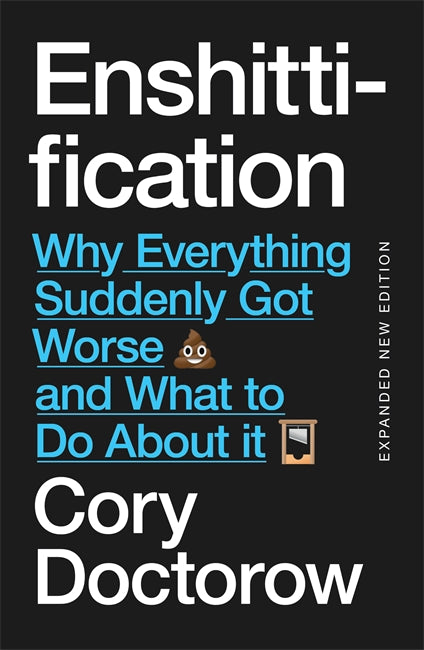
Enshittification: Why Everything Suddenly Got Worse and What To Do About It
Cory Doctorow's 2025 account of how tech platforms decay, and how to switch and fight back
-
The Conscious Creative: Practical Ethics for Purposeful Work
Kelly Small's guide to ethics and mindful practice for working creatives (2020)
-

PocketBook
Swiss e-readers from Lugano that open EPUB and PDF files without an Amazon account
-
No One Is Too Small to Make A Difference
Greta Thunberg's climate speeches that sparked the school strikes, Penguin paperback
-
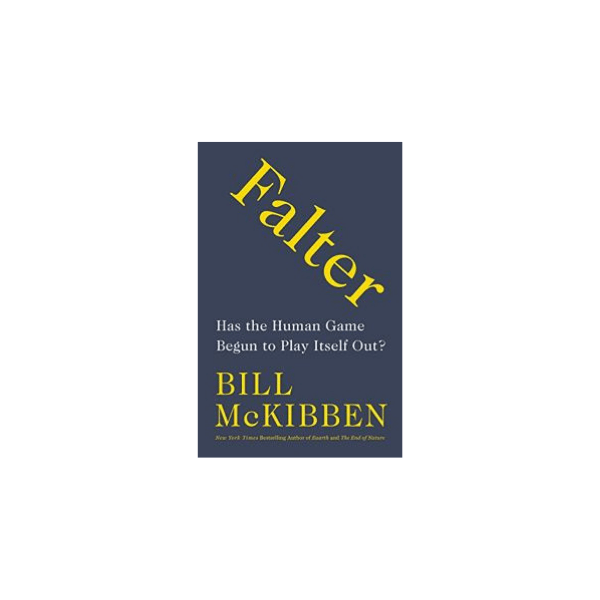
Falter: Has the Human Game Begun to Play Itself Out?
Bill McKibben asks whether climate change and runaway tech can still be stopped (2019)
-
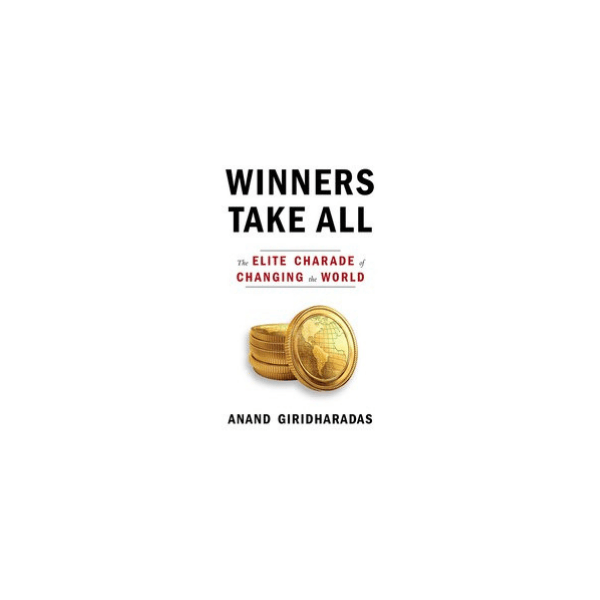
Winners Take All: The Elite Charade of Changing the World
Anand Giridharadas on why billionaire philanthropy protects the status quo (2018)
-
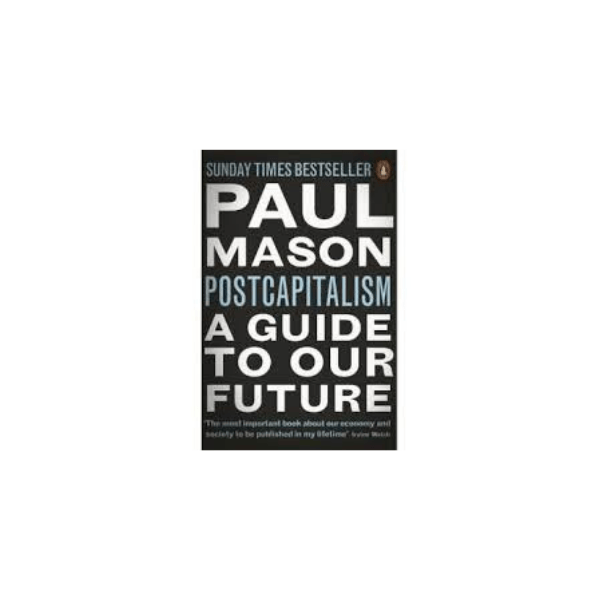
Postcapitalism: A Guide to Our Future
Paul Mason argues info tech and sharing are eroding capitalism from within (2015)
-
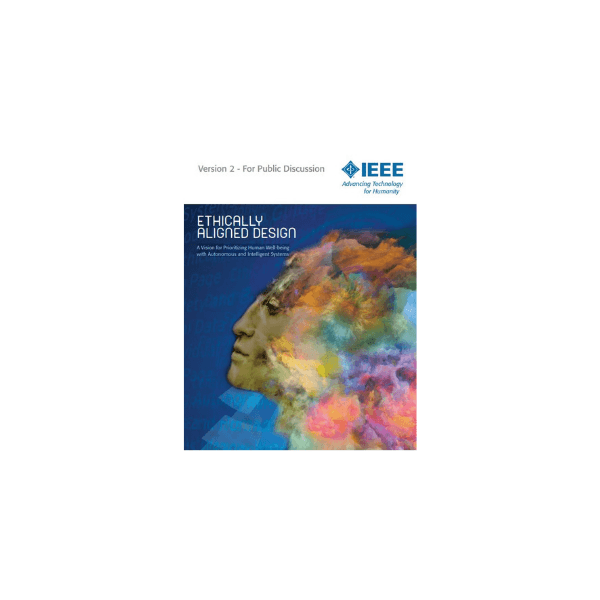
Ethically Aligned Design, First Edition
IEEE's free 2019 guide to putting human well-being first in AI and autonomous systems
-
Active Hope: How to Face the Mess We’re in with Unexpected Resilience and Creative Power
Joanna Macy and Chris Johnstone's practice for facing the climate crisis, revised 2022
-
Silent Spring
Rachel Carson's 1962 book on pesticides that helped start the environmental movement
-
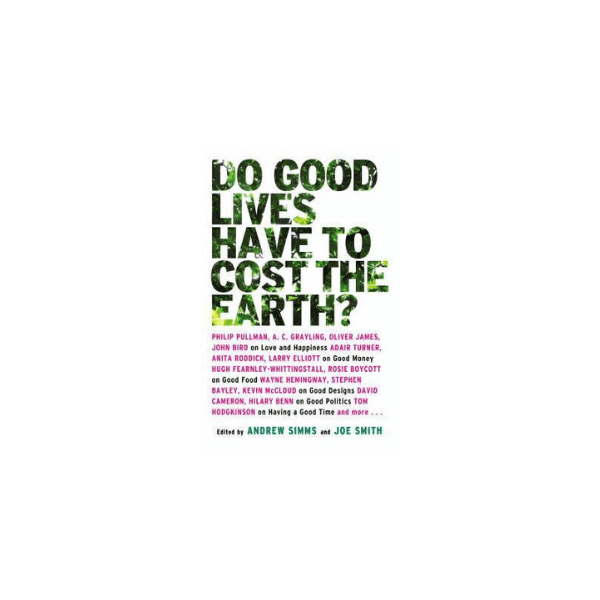
Do Good Lives Have to Cost the Earth?
Andrew Simms and Joe Smith's 2008 essays on living well without costing the earth
-
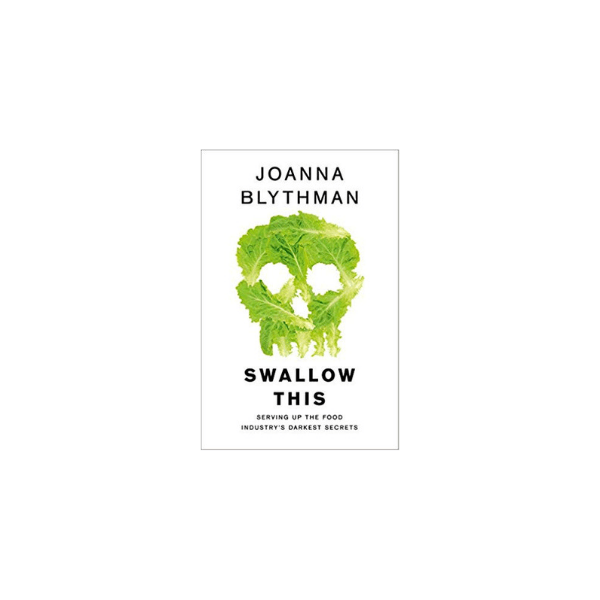
Swallow This: Serving Up The Food Industry’s Darkest Secrets
Food writer Joanna Blythman on what really goes into processed food (2015)
-
Fostering and Communicating Sustainable Lifestyles
UNEP's 2016 report on principles and real cases for communicating sustainable living
-
Calm Technology
Amber Case's 2015 O'Reilly guide to designing tech that stays out of the way
-
The Water Will Come: Rising Seas, Sinking Cities and the Remaking of the Civilised World
Jeff Goodell's 2017 reporting on rising seas and the coastal cities most at risk
-
Being the Change: Live Well and Spark a Climate Revolution
Climate scientist Peter Kalmus on living low-carbon and finding a better life (2017)
-
White Hat UX
Trine Falbe and co-authors on user experience design without the dark patterns (2017)
-
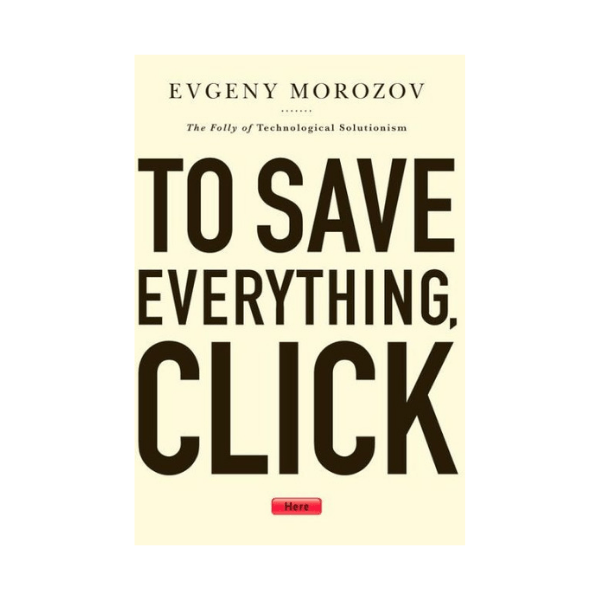
To Save Everything, Click Here: The Folly of Technological Solutionism
Evgeny Morozov on the folly of trying to fix every social problem with an app (2013)
-
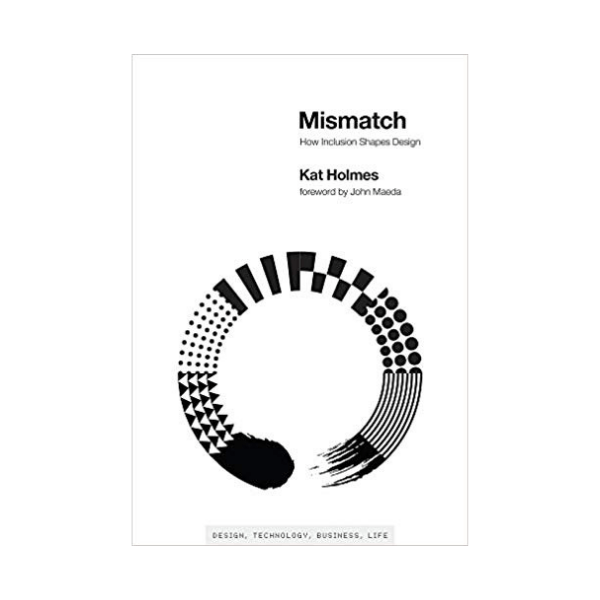
Mismatch: How Inclusion Shapes Design
Kat Holmes on inclusive design that starts from the people products leave out (2018)
-
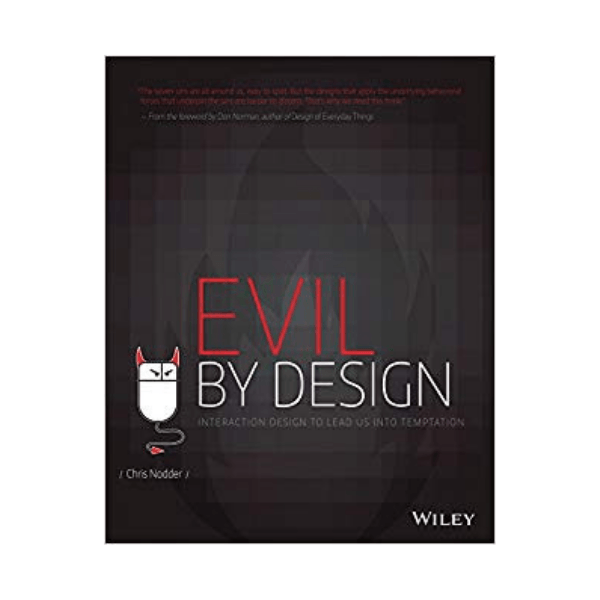
Evil by Design: Interaction Design to Lead Us Into Temptation
Chris Nodder on the persuasive design tricks that steer users, and how to spot them
-
Moralizing Technology: Understanding and Designing the Morality of Things
Philosopher Peter-Paul Verbeek on how the things we design shape our moral choices (2011)
-
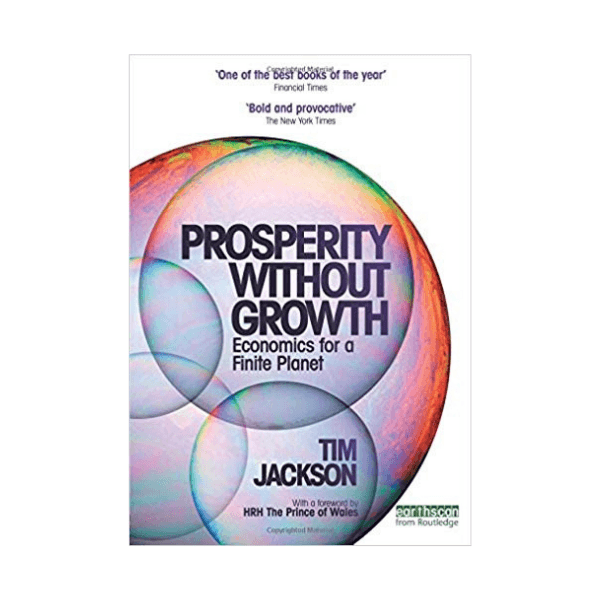
Prosperity Without Growth: Economics for a Finite Planet
Tim Jackson's case for a good life on a finite planet without endless growth
-
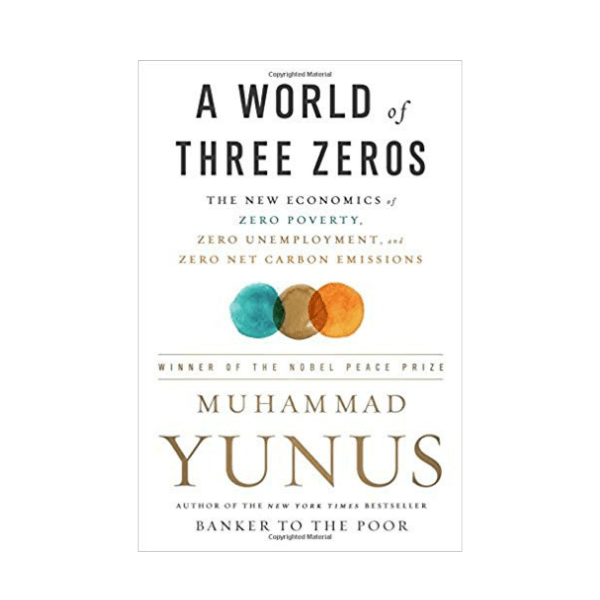
A World of Three Zeros : The New Economics of Zero Poverty, Zero Unemployment, and Zero Net Carbon Emissions
Muhammad Yunus on social business as a path to zero poverty, unemployment and carbon
-
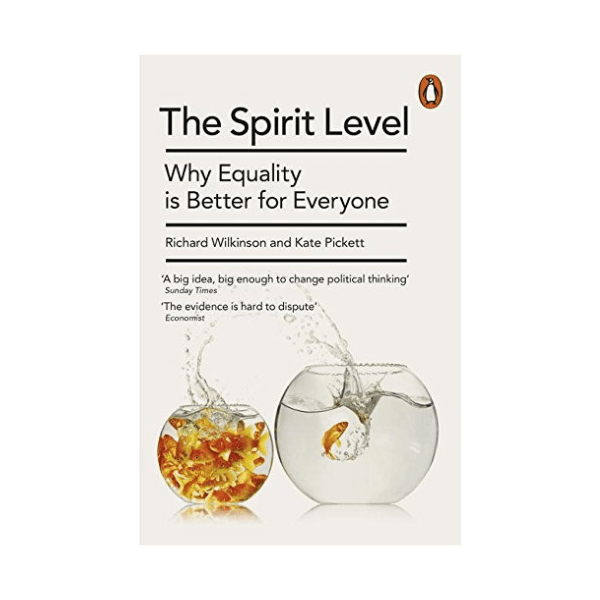
The Spirit Level: Why Equality is Better for Everyone
Wilkinson and Pickett's data on why more equal societies do better for everyone (2009)
-
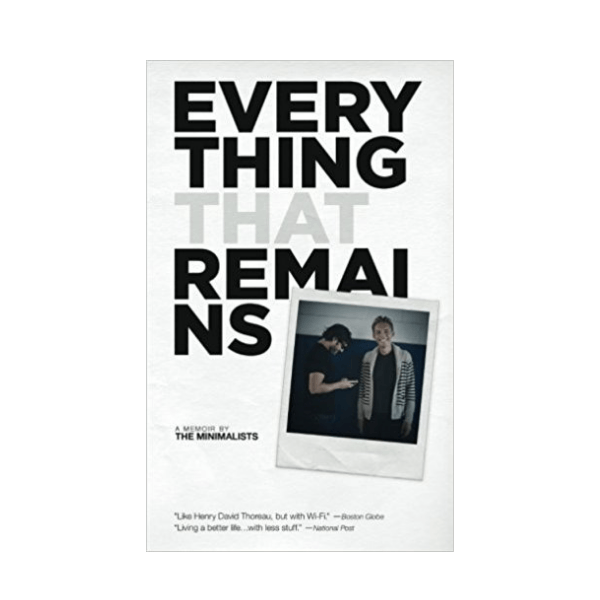
Everything That Remains: A Memoir by the Minimalists
The Minimalists' 2014 memoir of leaving corporate jobs to live with far less
-
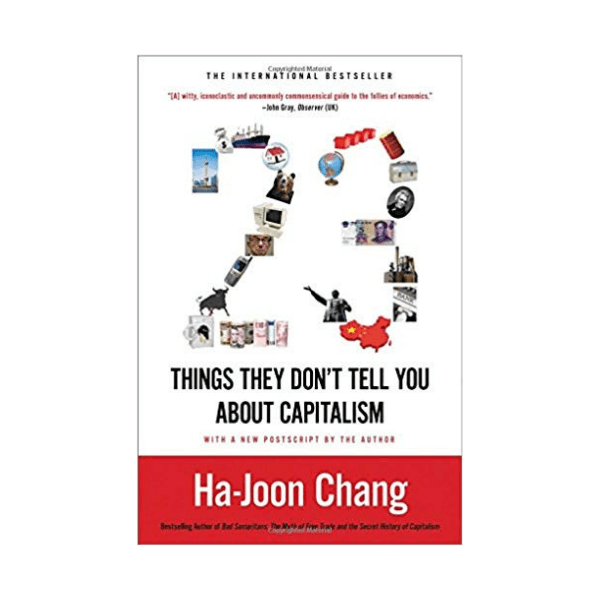
23 Things They Don’t Tell You About Capitalism
Ha-Joon Chang's 2010 myth-busting guide to how capitalism actually works
-
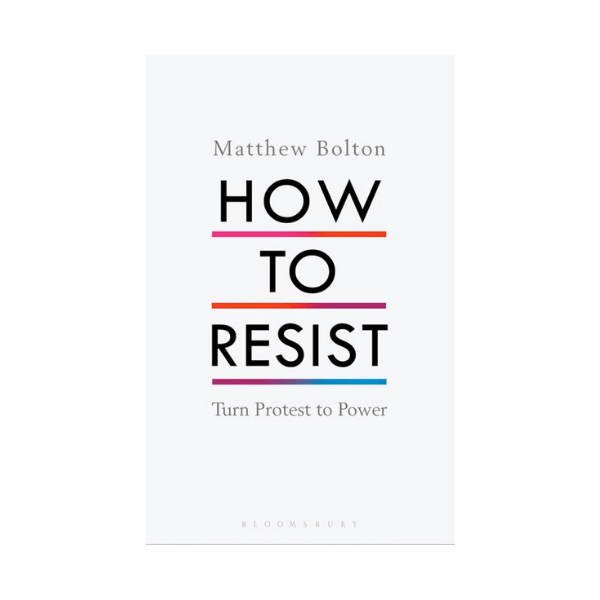
How to Resist: Turn Protest to Power
Organiser Matthew Bolton on turning protest into lasting local power (2017)
-
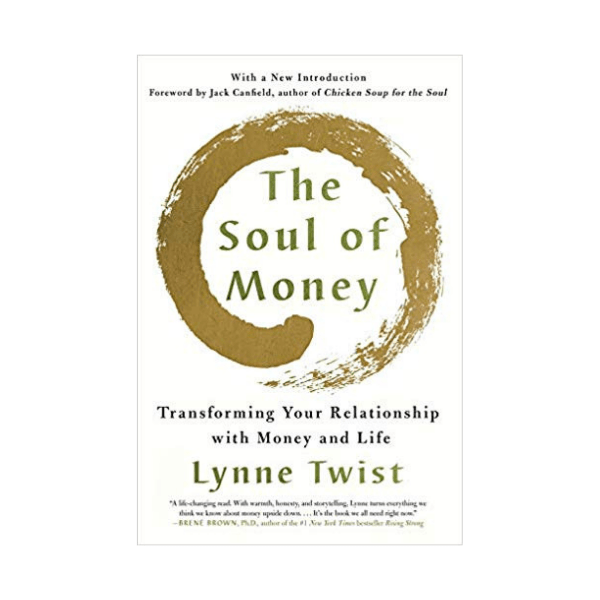
The Soul of Money: Transforming Your Relationship With Money and Life
Lynne Twist on changing how we earn, spend and give, so money serves our values
-
Soil, Soul, Society: A New Trinity for Our Time
Satish Kumar on caring for soil, soul and society as one ethic, from Parallax Press
-
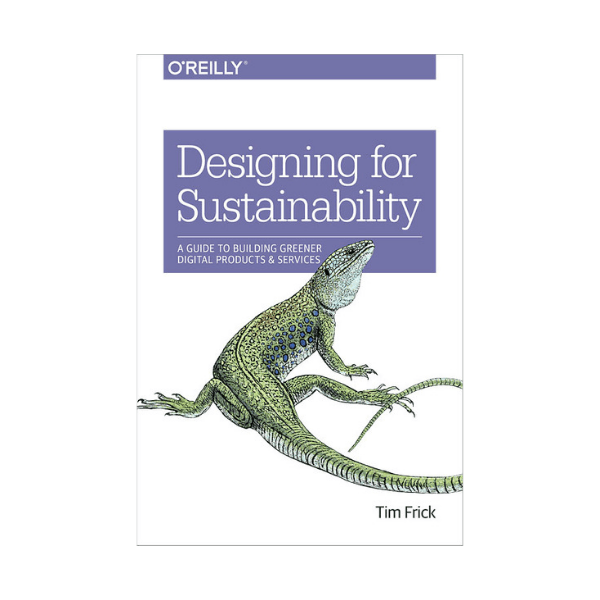
Designing for Sustainability
Tim Frick's 2016 guide to building lower-carbon websites and digital products
-
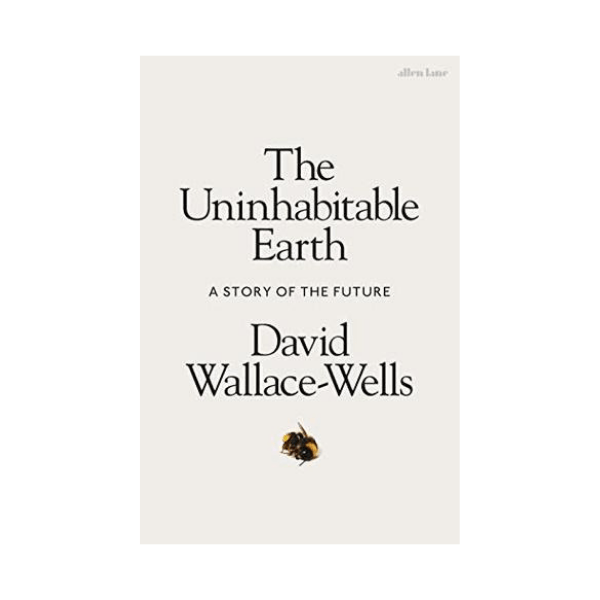
The Uninhabitable Earth: Life After Warming
David Wallace-Wells' 2019 survey of what unchecked warming could do to the world
-
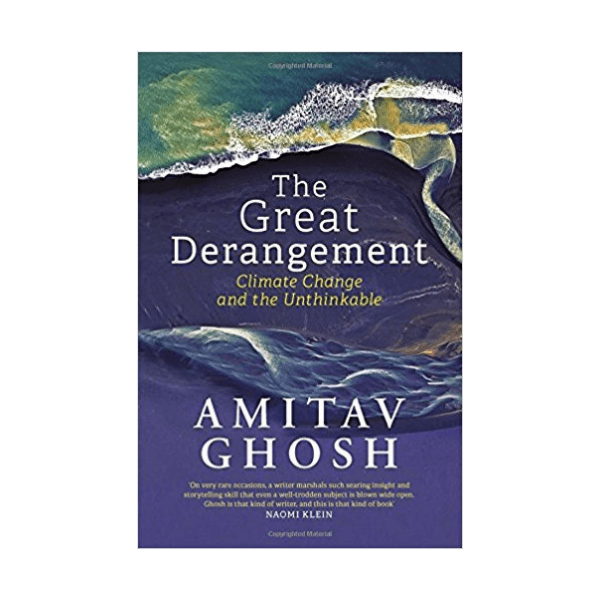
The Great Derangement: Climate Change and the Unthinkable
Amitav Ghosh on why our novels, politics and history fail to grasp climate change
-
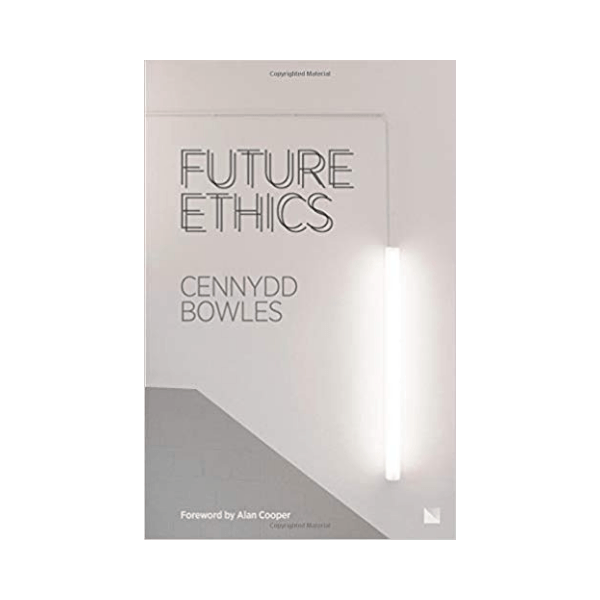
Future Ethics
Cennydd Bowles' 2018 practical ethics for designers and the people who build tech
-
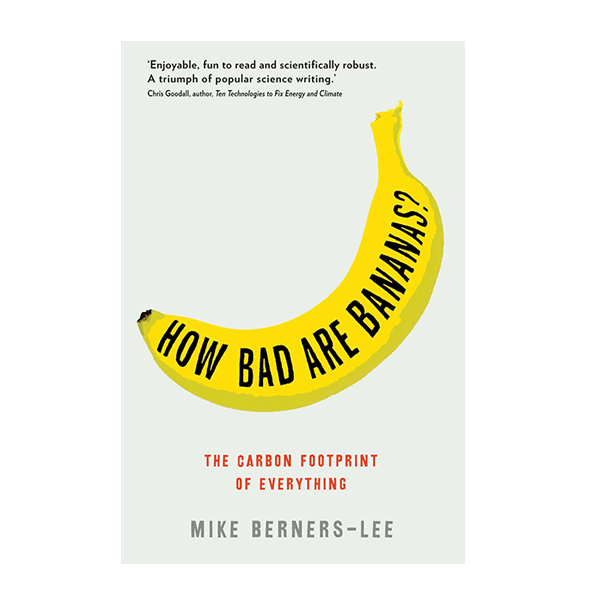
How Bad Are Bananas?: The Carbon Footprint of Everything
Mike Berners-Lee on the carbon footprint of everything, from a search to a flight
-
Eating Animals
Jonathan Safran Foer on factory farming and what our food choices say about us (2009)
-
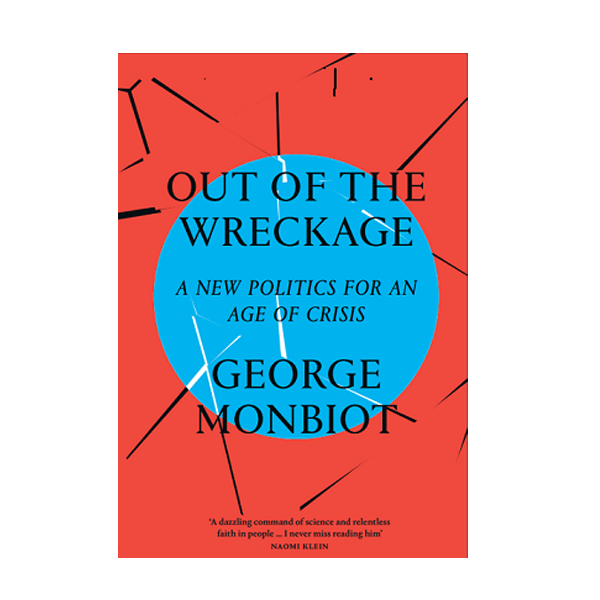
Out of the Wreckage: A New Politics for an Age of Crisis
George Monbiot's 2017 case for a politics of belonging, built from communities up
-
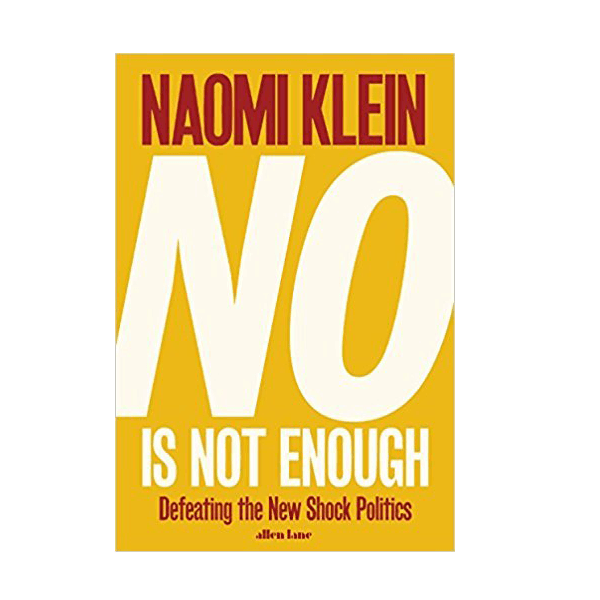
No is Not Enough: Defeating the New Shock Politics
Naomi Klein's 2017 guide to resisting shock politics and winning a fairer world
-
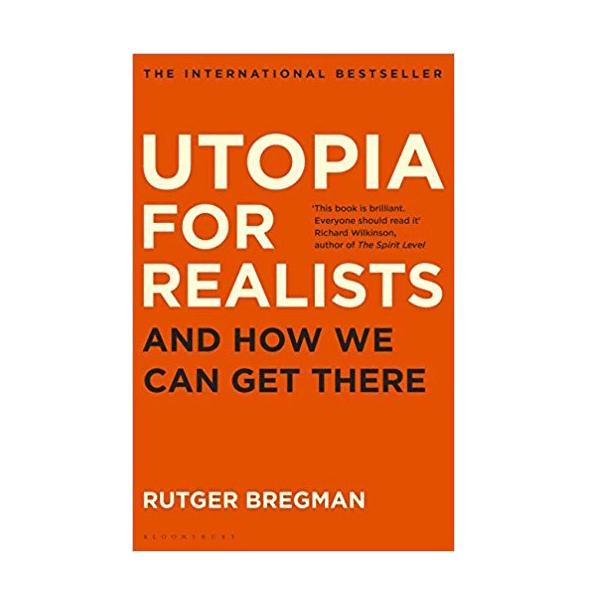
Utopia for Realists: And How We Can Get There
Rutger Bregman's case for universal basic income and a shorter working week (2017)
-
Doughnut Economics: Seven Ways to Think Like a 21st-Century Economist
Kate Raworth's 2017 model for an economy that meets needs within planetary limits
-
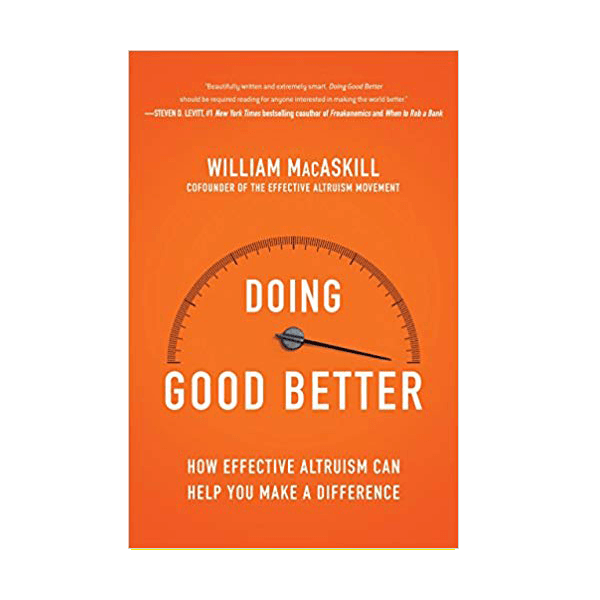
Doing Good Better: How Effective Altruism Can Help You Make a Difference
William MacAskill's 2015 case for giving and working where evidence says it helps most
-
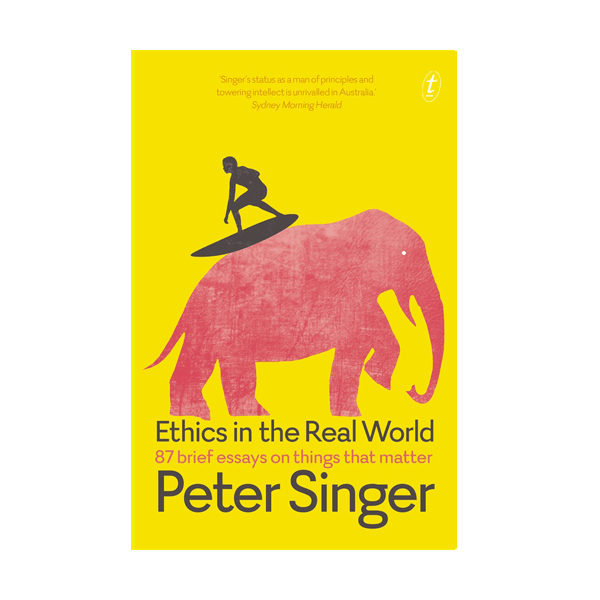
Ethics in the Real World: 90 Essays on Things That Matter
Peter Singer's short essays on real ethical dilemmas, now expanded to 90 essays
-
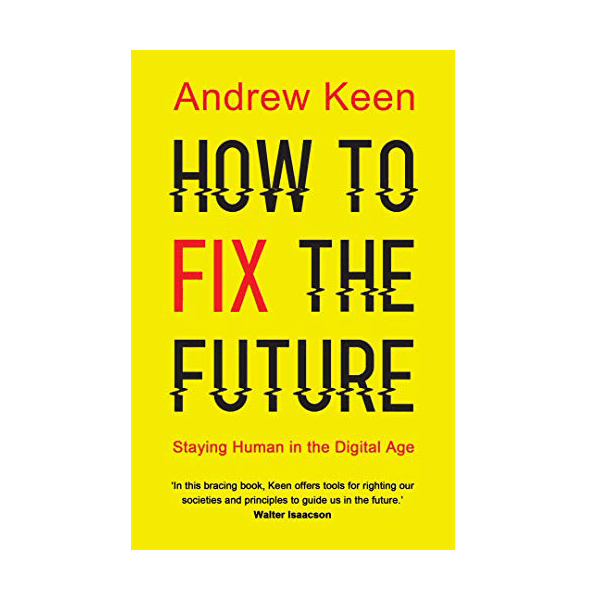
How to Fix the Future: Staying Human in the Digital Age
Tech critic Andrew Keen's 2018 look at how societies can rein in Big Tech
-
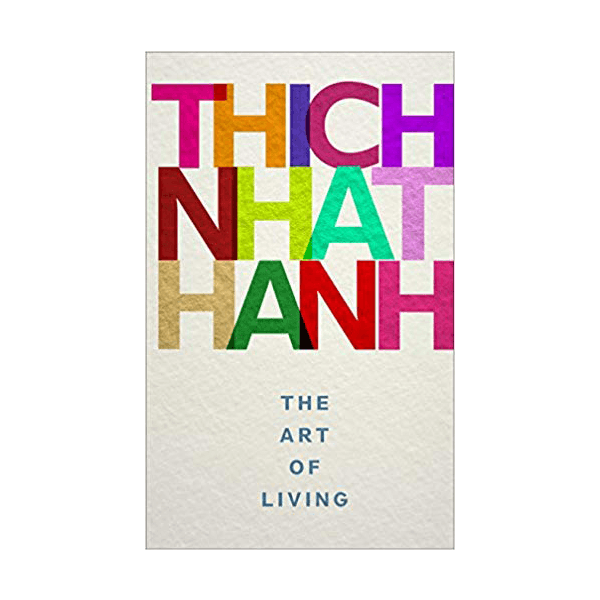
The Art of Living
Thich Nhat Hanh's seven meditations on living mindfully, from Plum Village (2017)